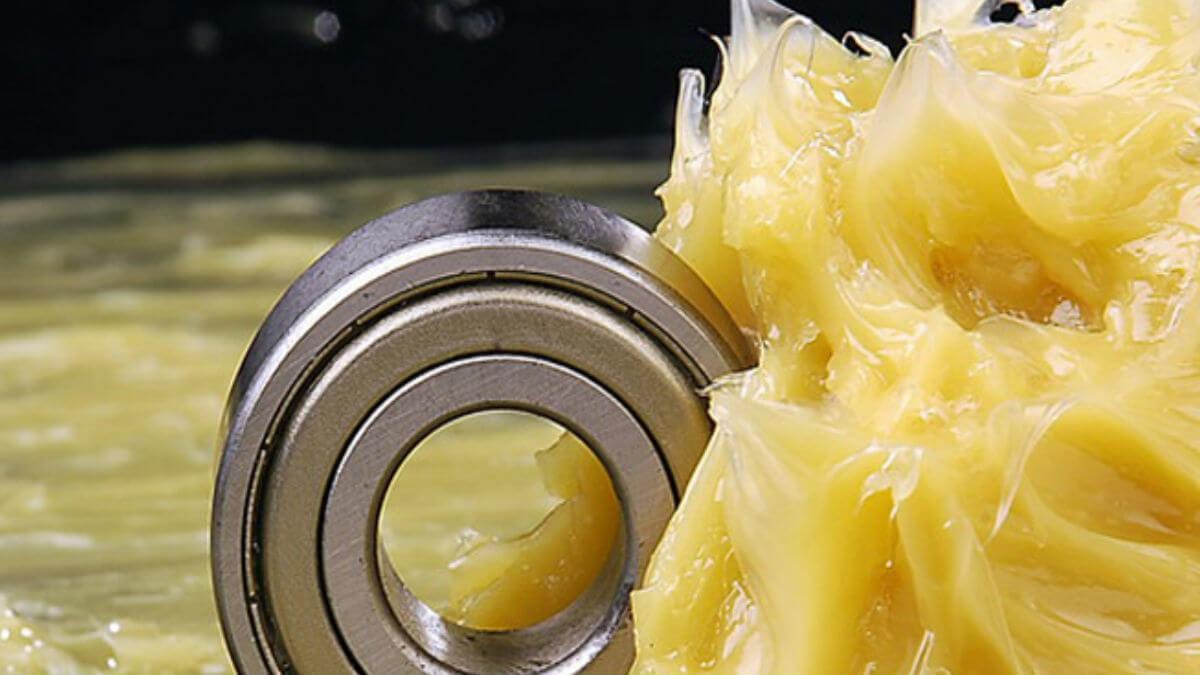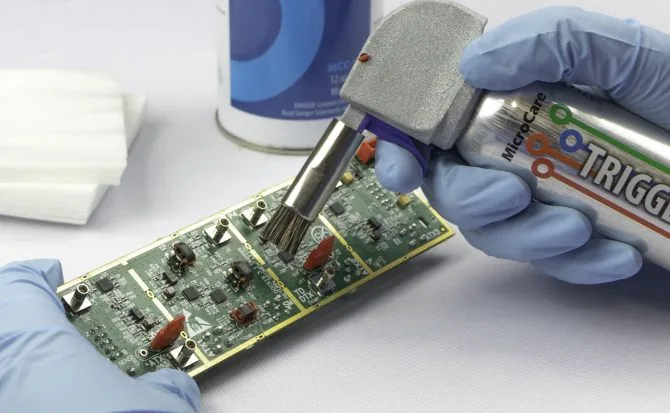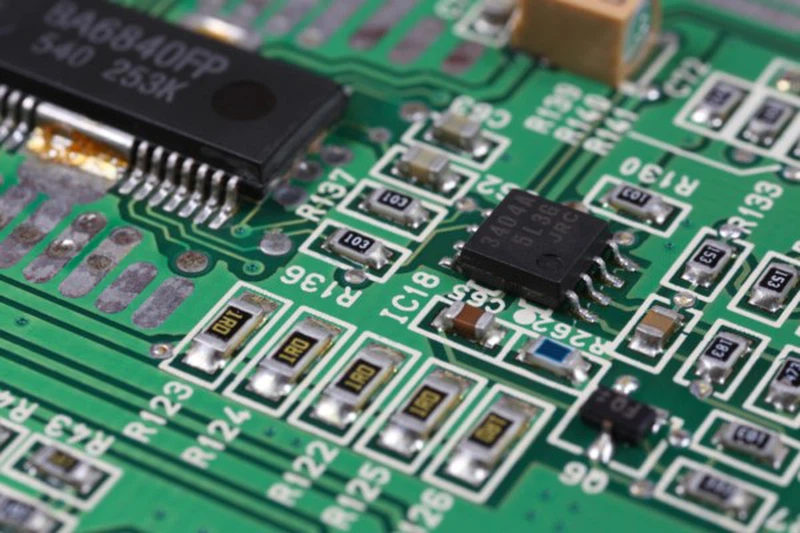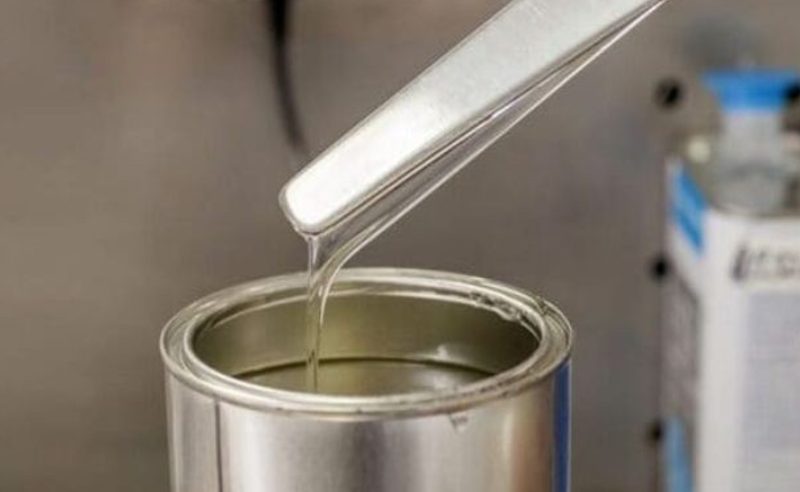


Soldering flux is a chemical compound used to prepare metal surfaces for soldering by removing oxides, promoting wetting, and enhancing the flow of molten solder. Flux typically comes in paste form, liquid form, or as the core of solder wire.
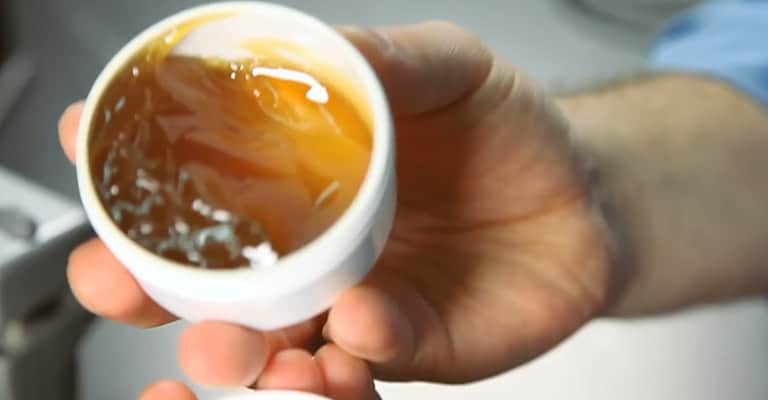
What Is Flux?
Flux is a type of chemical used before and during the soldering of electronic components. Both manual and automated soldering processes use flux. Its primary function is to clean and remove impurities or oxides from the metal surface prior to soldering.
When metal is exposed to air, it naturally forms oxides. These oxides prevent proper solder joint formation. Metal oxides can cause poor conductivity and negatively affect current flow on electronic boards.
Flux is used for the following purposes:
-
Prevents metal surfaces from oxidizing during soldering
-
Reduces viscosity and surface tension of molten solder, improving wetting
-
Allows molten solder to permanently bond mechanical and electrical components
Types of Flux
In electronics manufacturing, there are three major types of soldering flux:
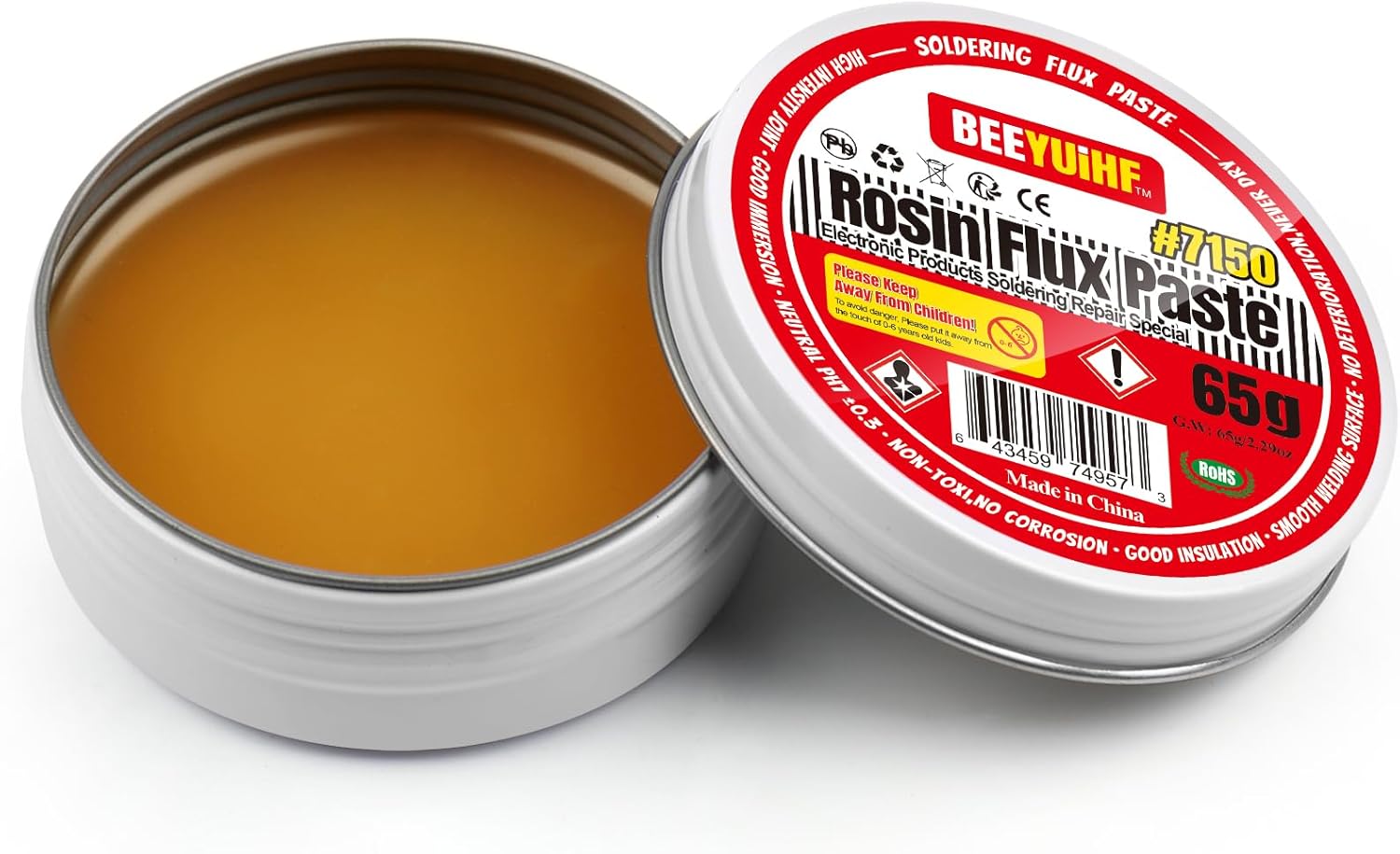
Rosin Flux
Rosin is one of the oldest types of flux, extracted from pine tree resin. Today, rosin is often blended with other flux types to improve soldering performance. It melts easily—especially under heat—and helps remove impurities and oxides on metal surfaces, improving solder adhesion.
Although rosin is slightly acidic when molten, it becomes inert once solidified and can remain on components without damaging the circuit. However, it is recommended to clean off excess rosin after soldering because heat during operation may re-melt the residue and cause electrical issues.
Organic Acid Flux (Water-Soluble Flux)
Organic acid flux—also known as water-soluble flux—is made from organic acids such as stearic, lactic, and citric acid. It may also contain solvents like isopropyl alcohol.
Organic acid flux removes metal oxides very effectively, has strong soldering activity, and is easy to clean. However, it should not remain on soldered surfaces, especially PCB boards. This type of flux is commonly used for soft soldering.
Inorganic Acid Flux
Inorganic acid flux works well with stronger metals such as brass, copper, and stainless steel. After soldering, the remaining corrosive residue must be removed carefully to avoid damage. This flux is widely used for non-electrical soldering applications.
Flux Forms and Soldering Methods
Flux is available in solid, liquid, or paste forms. Depending on the soldering method, it is applied in different ways:
-
Hand soldering: Flux may be applied manually or delivered via flux-cored solder wire. Melting the wire activates the flux.
-
Wave soldering: Flux is sprayed onto the PCB before it passes over the solder wave.
-
Reflow soldering: Flux is used in solder paste along with tiny metal solder particles.
How to Use Flux
Flux may be sold in small jars, tubes, liquid bottles, or flux pens. Organic flux is typically used for soft soldering, while inorganic acid flux is used for non-electrical metalwork.
How to apply flux:
- Clean all metal contact points using a reliable solvent to remove dirt, oil, and oxidation.
- Apply an even layer of flux to the surfaces to be soldered.
- Once the soldering iron is heated, place the tip onto the flux-coated metal.
- The heat melts the flux, spreads it, removes oxides, and prepares the metal surface.
- As flux evaporates, introduce the solder wire so that it melts and forms a stable joint before oxidation can occur.
How to Choose the Right Flux
Halogen content determines how effectively flux removes metal oxides. Higher halogen levels improve oxide removal and strengthen solder joints—but may also leave corrosive residue, creating long-term reliability issues.
Two considerations for electronic assembly:
- Flux must be inert before and after soldering.
- It must remain active during soldering to prevent oxidation and residue buildup under high temperatures.
Flux should activate at a temperature slightly below the soldering temperature. Extremely strong flux is not recommended, as it may create unwanted byproducts and reliability problems.
A limitation of many fluxes is that they lose effectiveness at high temperatures. Currently, no completely “clean” flux can fully resolve this issue. A good flux must balance activity and cleanability. Most no-clean fluxes contain little to no halogen and are mainly composed of organic acids.