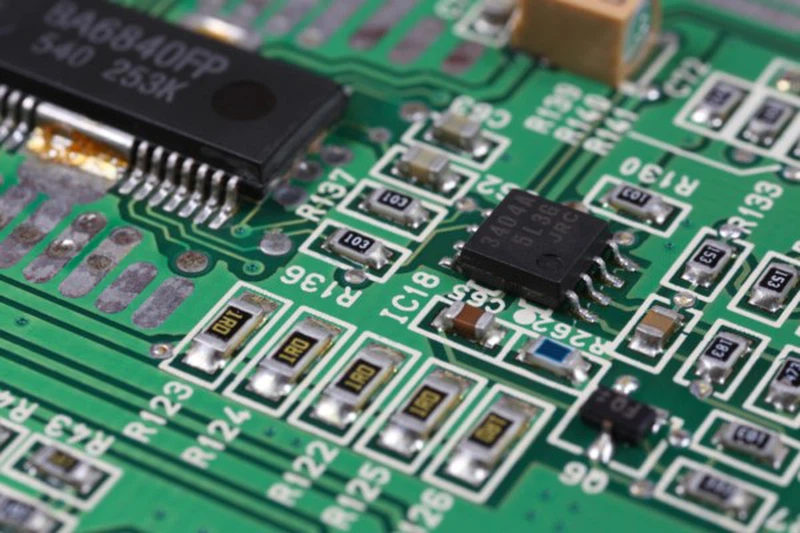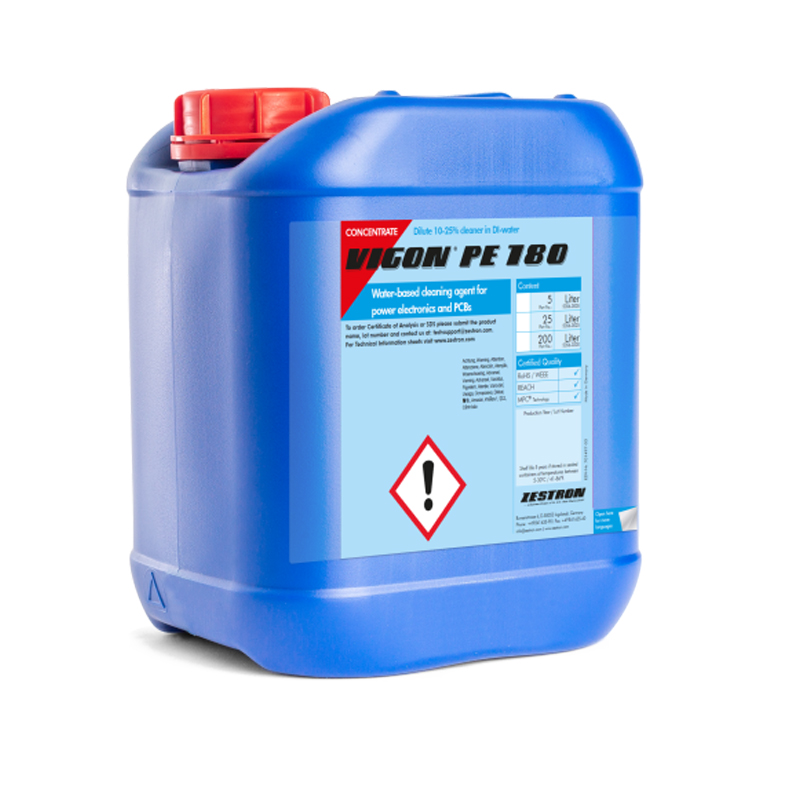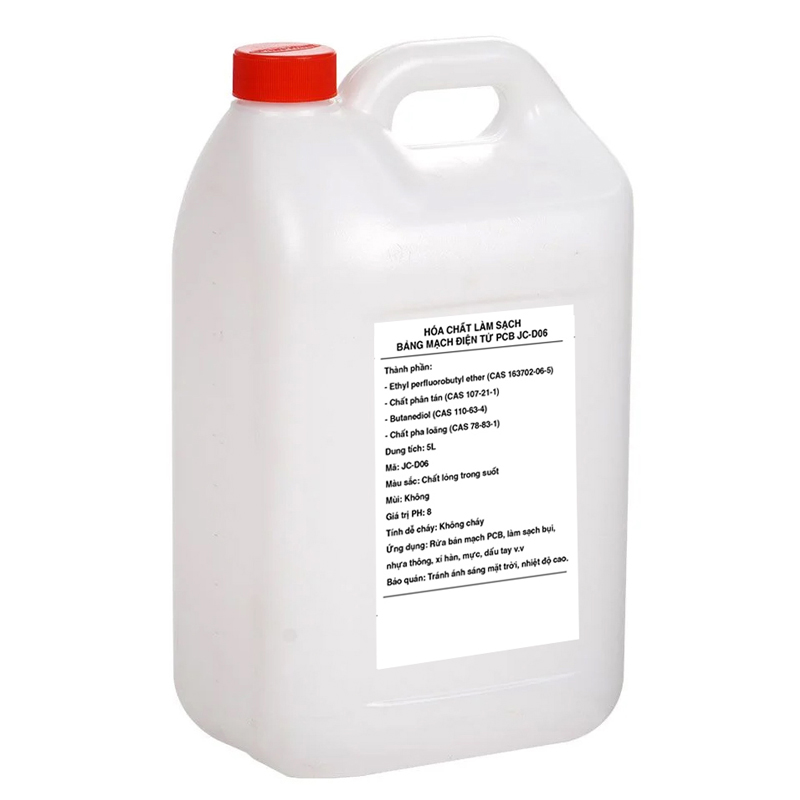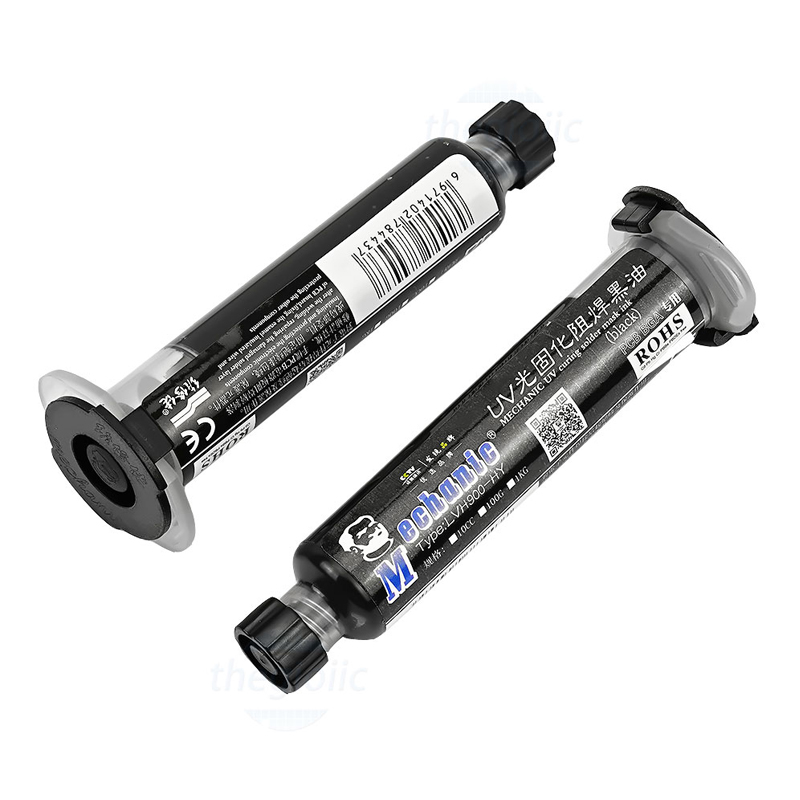


Printed circuit boards (PCBs) are everywhere. They power our phones, computers, and many other devices. Without them, modern technology simply wouldn’t function. But making a PCB requires more than just copper and resin. Chemicals play a critical role — they clean, etch, protect, and support the board at every stage.
This article explores the most important chemicals used in PCB manufacturing and why they are essential.
Cleaning and Preparation Chemicals
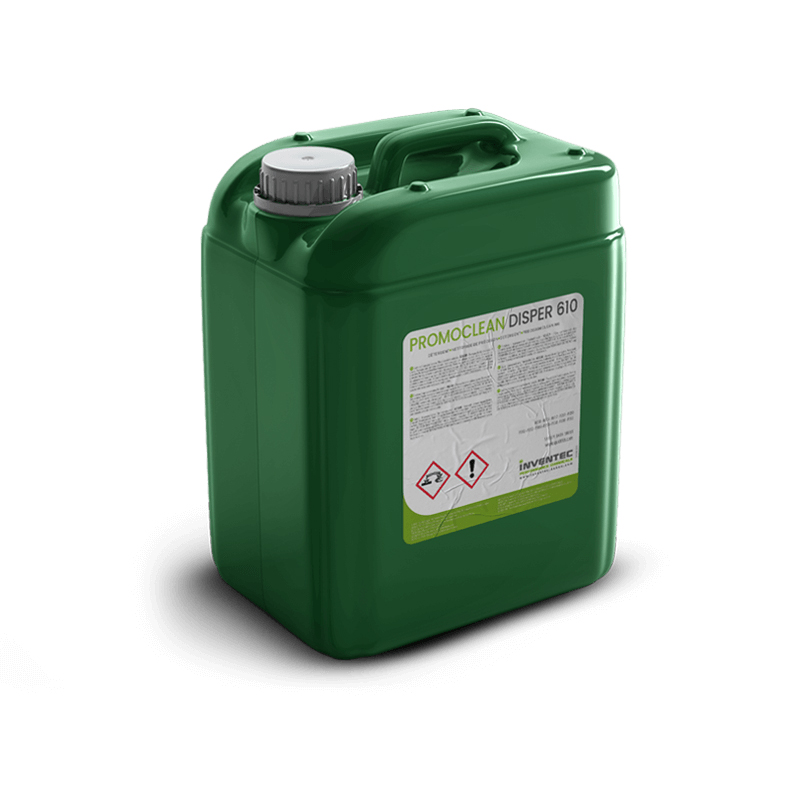
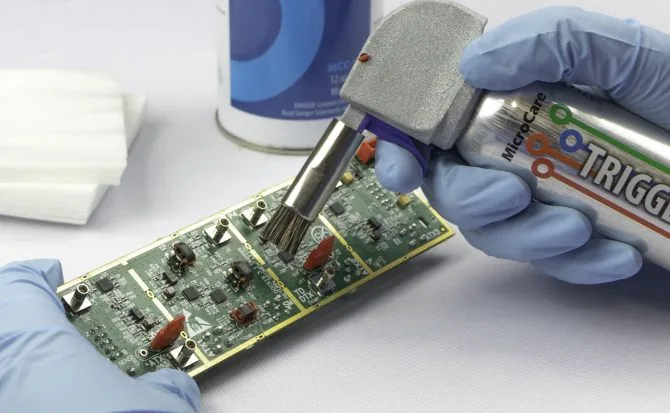
Before any work can begin, the PCB must be perfectly clean. Dust, grease, or oil can ruin the entire process, which is why cleaning chemicals are crucial.
There are two main types of cleaners:
- Acid cleaners: Used to remove oxidation and impurities from the copper surface.
- Alkaline cleaners: Suitable for removing grease and fingerprints left during handling.
A clean PCB is essential for the following steps. Without proper cleaning, the circuit pattern may not form correctly.
Etching Chemicals
After cleaning, the next major step is etching. Acid etching removes unwanted copper from the board, forming the circuit pathways. The two most common etching chemicals are:
- Cupric chloride (CuCl₂): A popular choice because it’s efficient and can be regenerated.
- Ammoniacal etchant: A solution containing ammonia, used for more precise etching results.
Etching is one of the most important steps in PCB manufacturing. It ensures that only the necessary copper remains on the board to form the electronic circuit.
Plating Chemicals
Once the circuit pattern is ready, the PCB needs protection. This is where plating chemicals come in. They add a protective layer to exposed copper, preventing oxidation and improving durability. Common plating processes include:
- Copper plating: Ensures consistent copper layers inside through-holes for better electrical connections.
- Gold or nickel plating: Used for connectors due to their excellent conductivity and corrosion resistance.
The plating layer protects the PCB, ensuring long-term reliability and stable performance.
Stripping Chemicals
Some materials must be removed before the PCB can be completed. Stripping chemicals are used for this purpose. There are two main types:
- Photoresist strippers: Used to remove the protective photoresist layer after etching.
- Tin strippers: Used to clean off tin–lead alloy coatings applied earlier in the process.
Stripping ensures that no unwanted materials remain on the board that could affect performance.
Conclusion
PCB manufacturing is a detailed and complex process, with chemicals playing a vital role at every stage—from cleaning and etching to plating and stripping. Each chemical helps ensure that the PCB performs exactly as intended.
At Globalwellpcba, we use safe and efficient chemicals throughout our manufacturing process to produce high-quality PCBs. Whether you need custom PCB design or full manufacturing services, we are ready to support your needs.